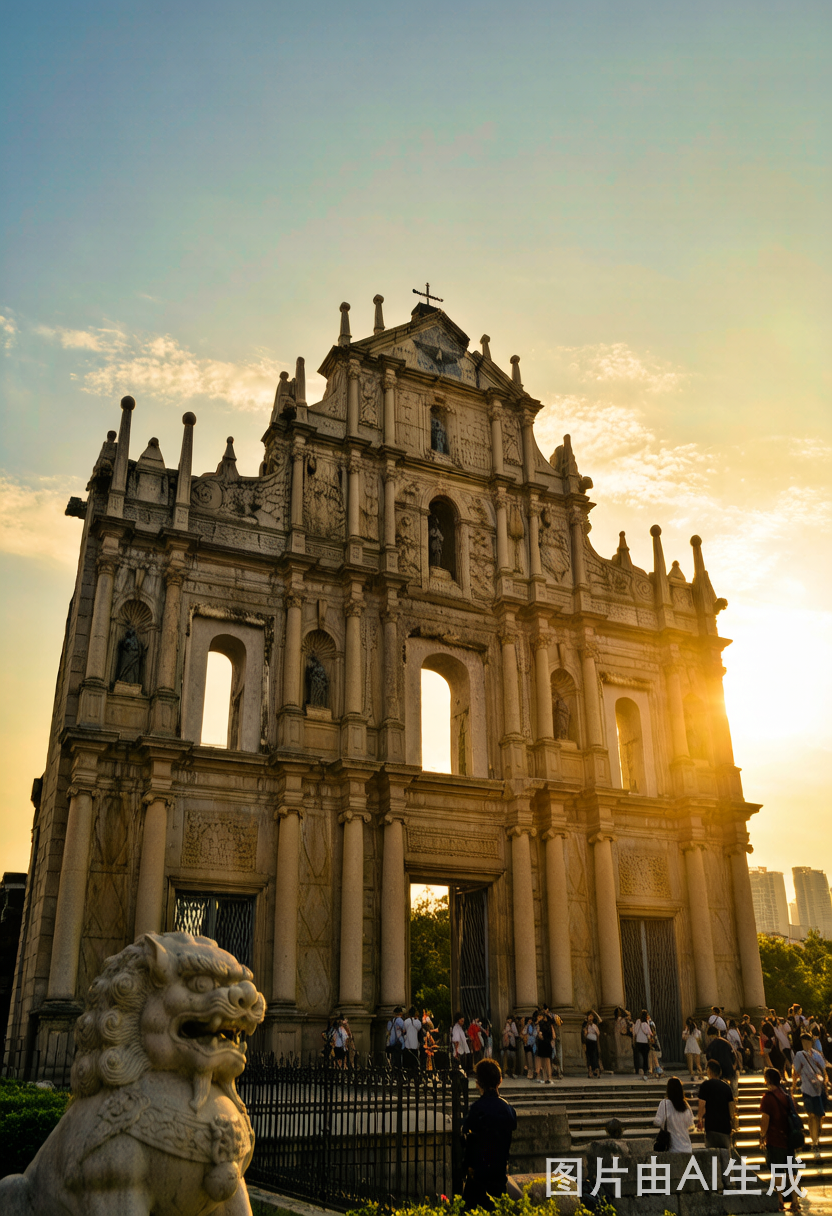
Ruins of St. Paul's
Macao's most famous landmark, the facade of the former Church of St. Paul. Completed 1637, only the facade survived the 1835 fire. Exquisite Baroque carvings.
Macao SAR lies on the west bank of the Pearl River Estuary, composed of the Macao Peninsula, Taipa, and Coloane. Known as the 'Monte Carlo of the Orient', it's a world-famous gaming hub. But Macao is far more than casinos — its Historic Centre was inscribed as UNESCO World Heritage in 2005. The Ruins of St. Paul's, A-Ma Temple, and Senado Square are among 25 historic sites witnessing 400+ years of cultural fusion. Portuguese egg tarts, pork chop buns, and crab congee are mouthwatering. Macao is also a UNESCO Creative City of Gastronomy. Luxury resorts coexist with old alleys in harmonious fusion.
Macao's most famous landmark, the facade of the former Church of St. Paul. Completed 1637, only the facade survived the 1835 fire. Exquisite Baroque carvings.
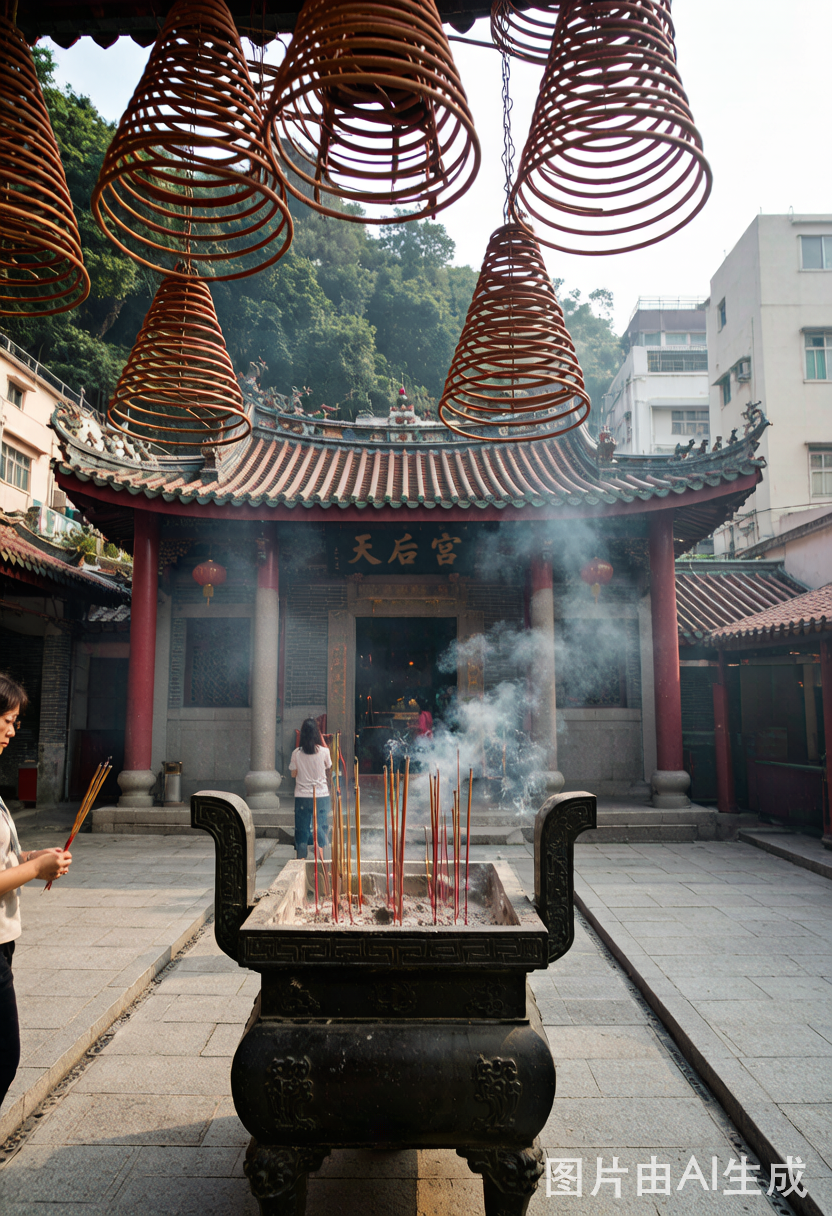
Macao's oldest temple built 1488. The Portuguese name 'Macau' derives from 'A-Ma'. Built into a hillside with thriving incense.
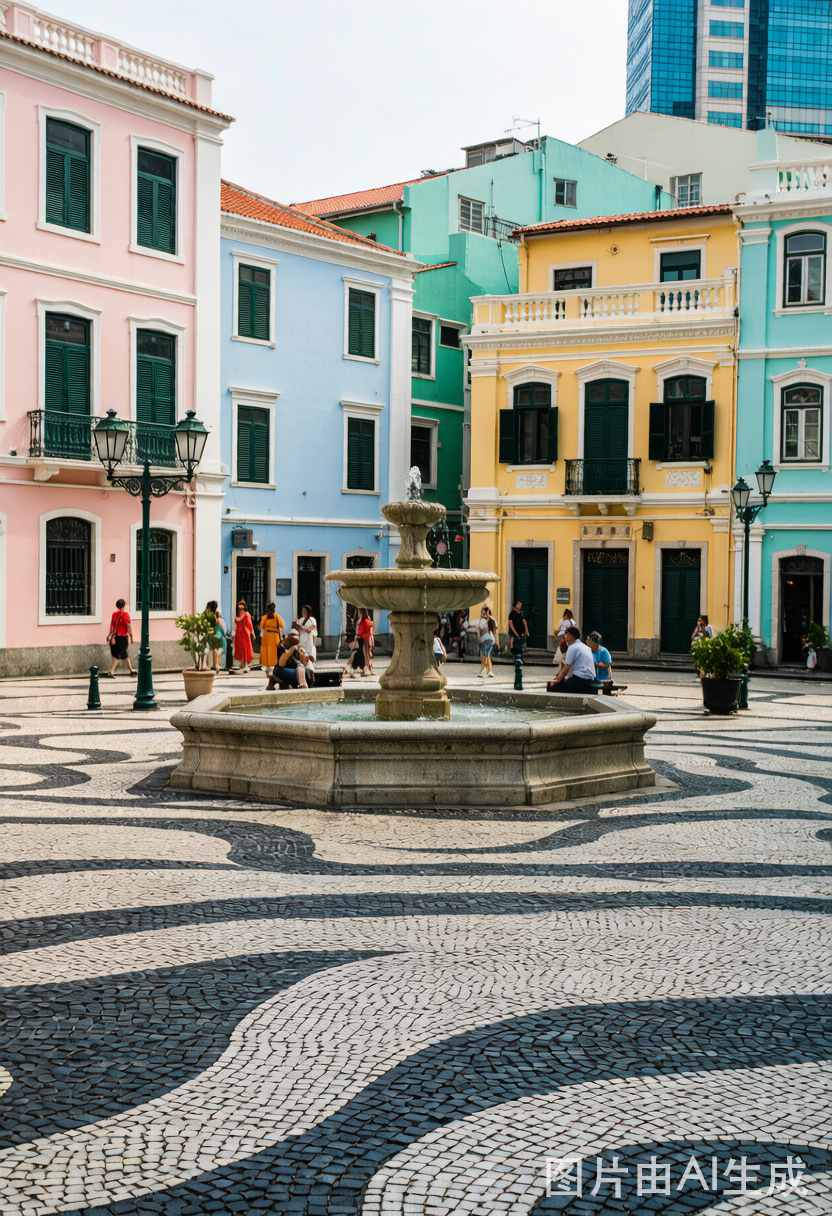
Heart of Macao with wave-patterned Portuguese cobblestone pavement. Neo-classical buildings surround it, core UNESCO World Heritage zone.
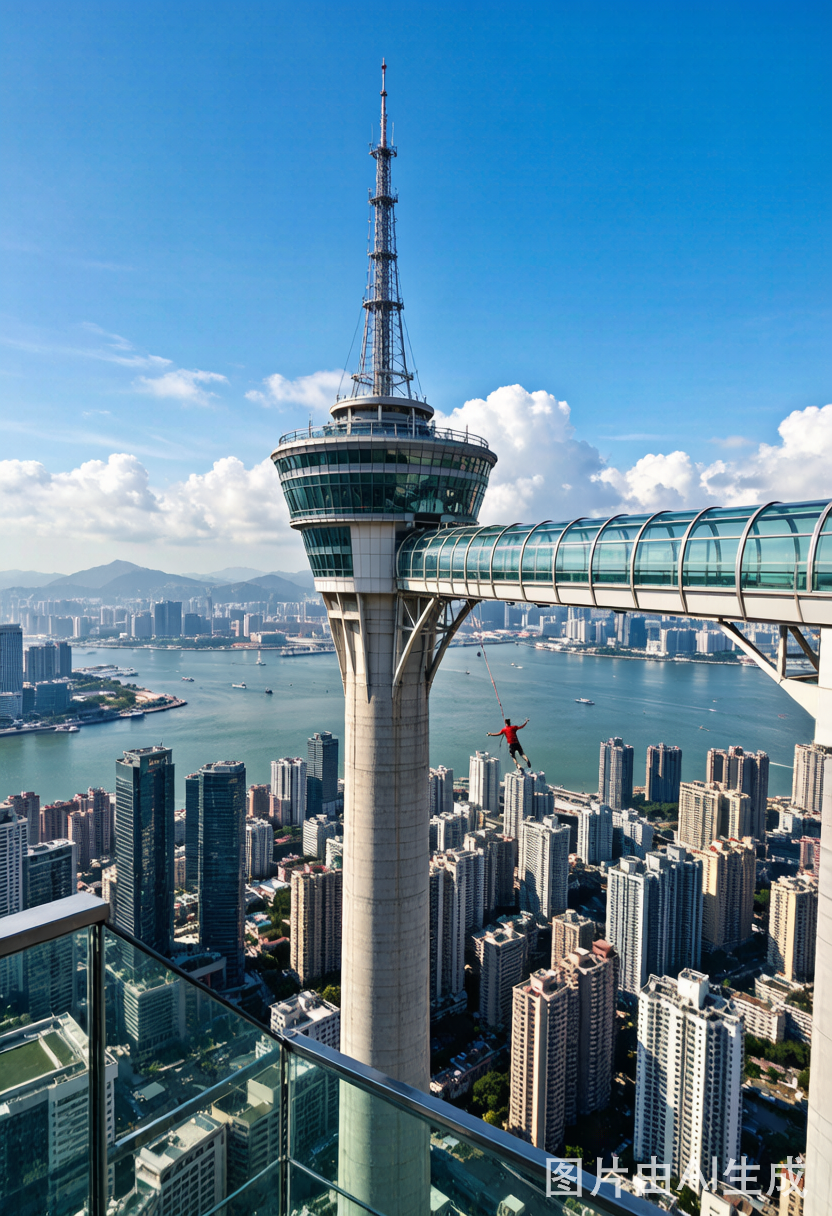
338m observation tower, Macao's tallest building. Panoramic views and the world's highest bungy jump at 233m for thrill-seekers.
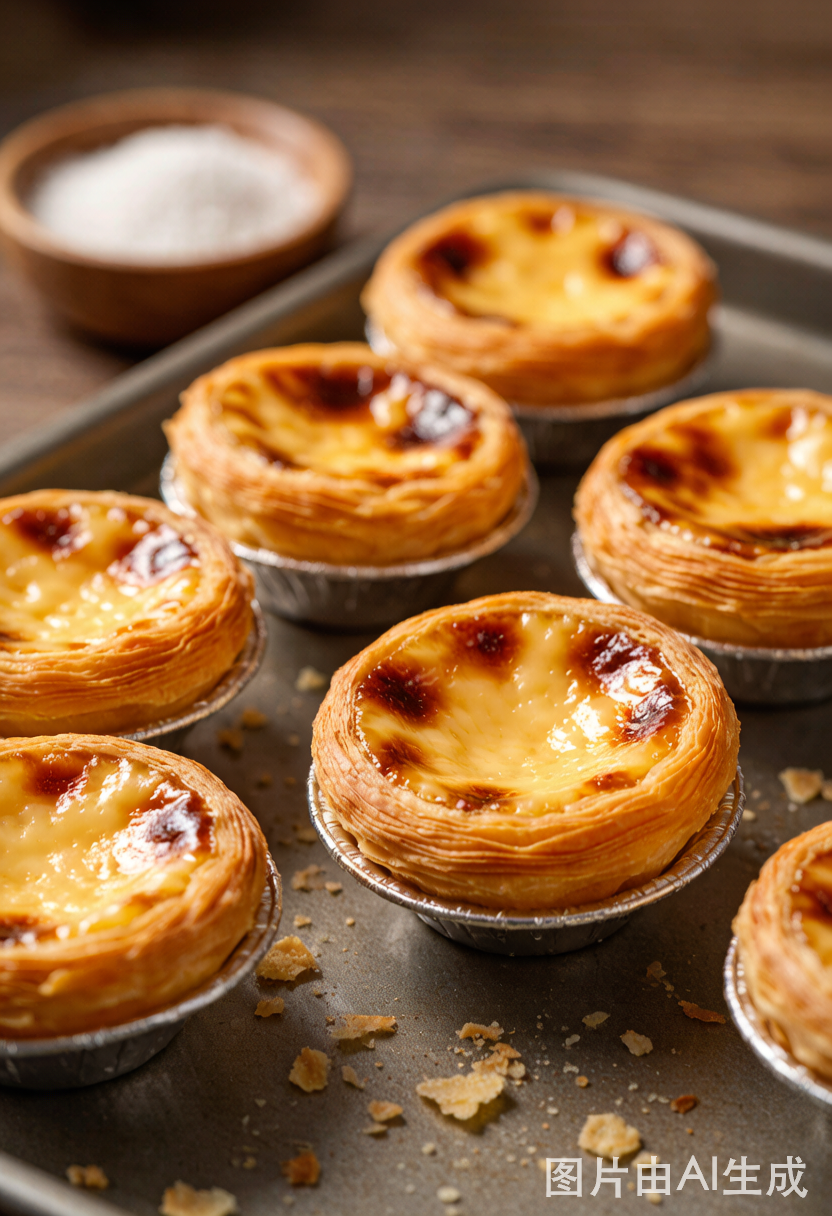
Macao's most famous food icon. Crispy multi-layered pastry with caramelized egg custard. Lord Stow's and Margaret's are the two most famous.
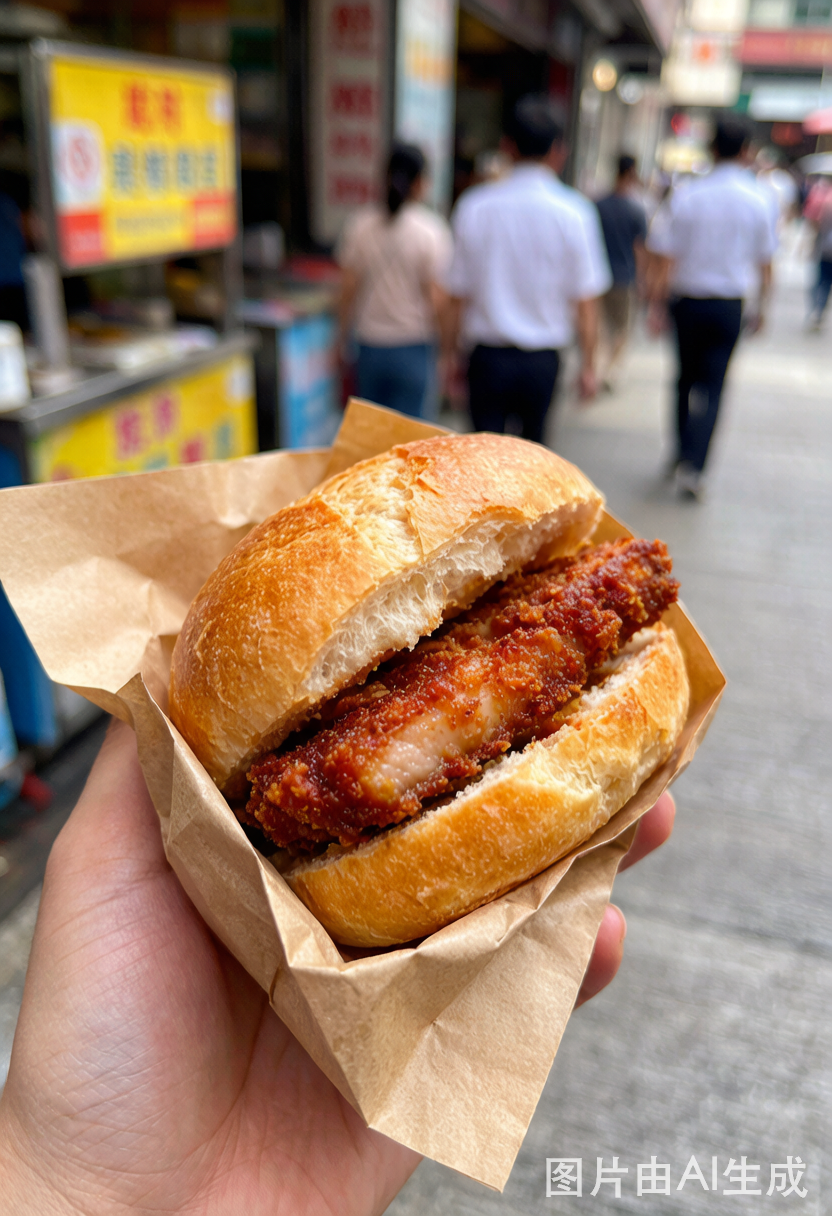
Classic Macao street food. Pan-fried bone-in pork chop in a crispy toasted bun. Tai Lei Loi Kei is the most famous.
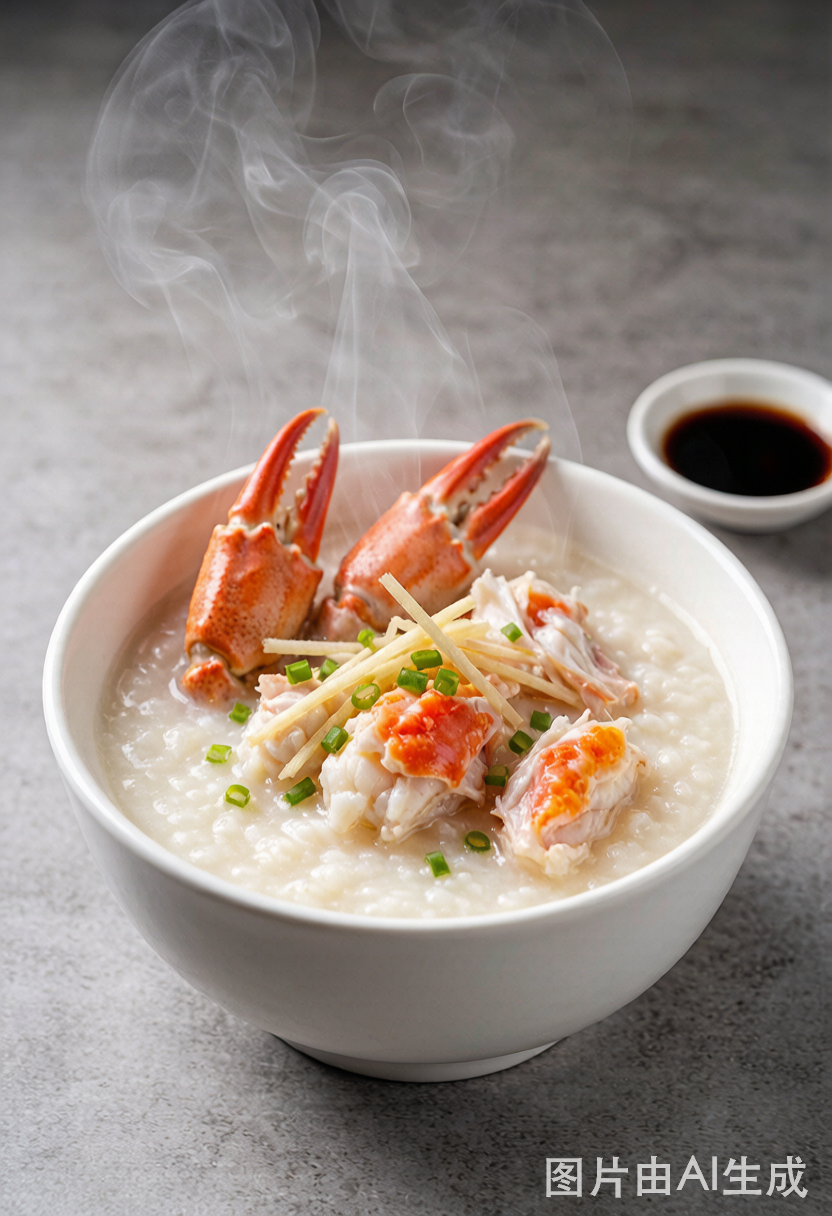
Classic Macao congee with fresh water crab and roe crab. Silky smooth, intensely crab-flavored. Seng Cheong Restaurant is famous.
Use free hotel shuttle buses to reach most attractions — no need to pay for transport
MOP and HKD near 1:1. HKD and RMB accepted at most shops but no exchange rate difference given
Major hotels provide free shuttle buses