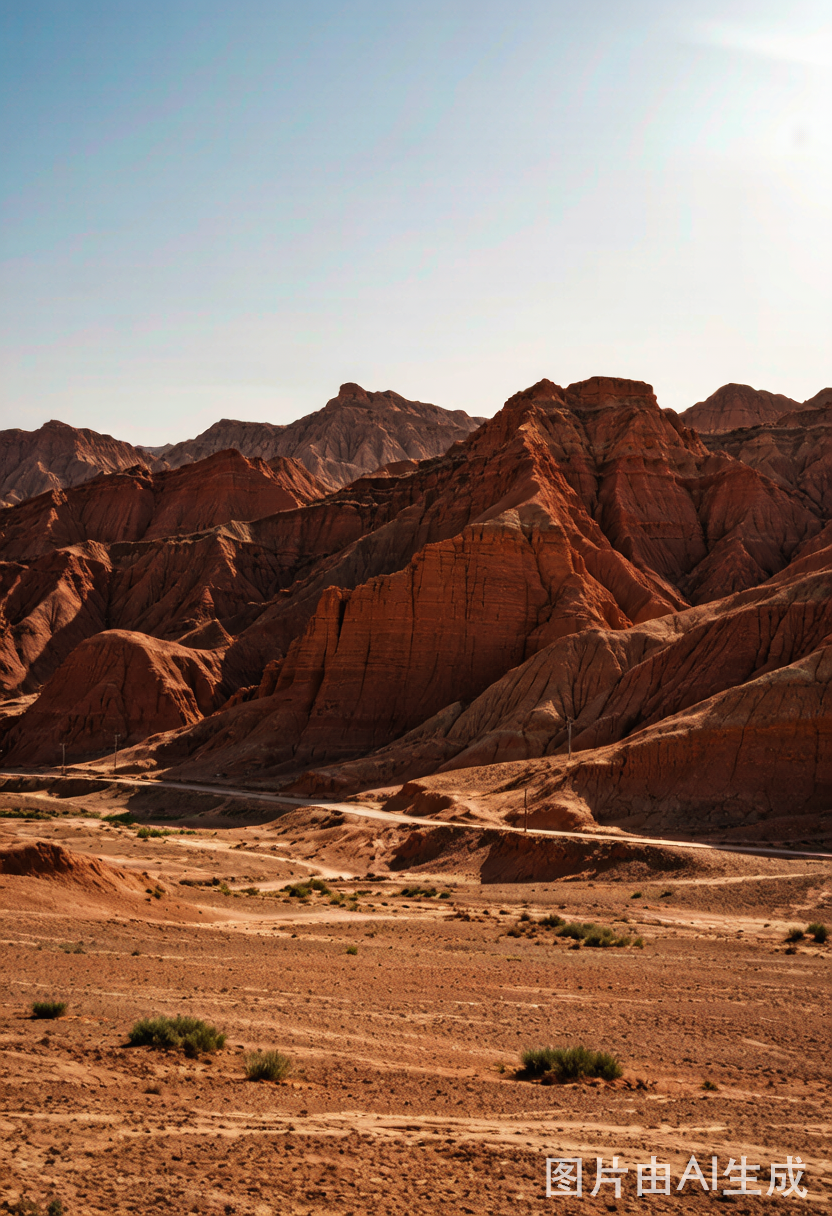
Flaming Mountain
The setting of the 'Journey to the West' story, with red-hued mountains where summer surface temperatures exceed 70°C.
Located in central Xinjiang in an intermontane basin of the eastern Tianshan Mountains, Turpan is China's lowest city at -154 meters above sea level. Known as the 'Land of Fire,' summer surface temperatures can exceed 70°C, yet it produces the world's sweetest grapes. A vital Silk Road hub where Eastern and Western civilizations met, it left behind numerous historical sites including the ruins of Jiaohe and Gaochang. The ancient karez underground irrigation system is a marvel of human ingenuity.
The setting of the 'Journey to the West' story, with red-hued mountains where summer surface temperatures exceed 70°C.
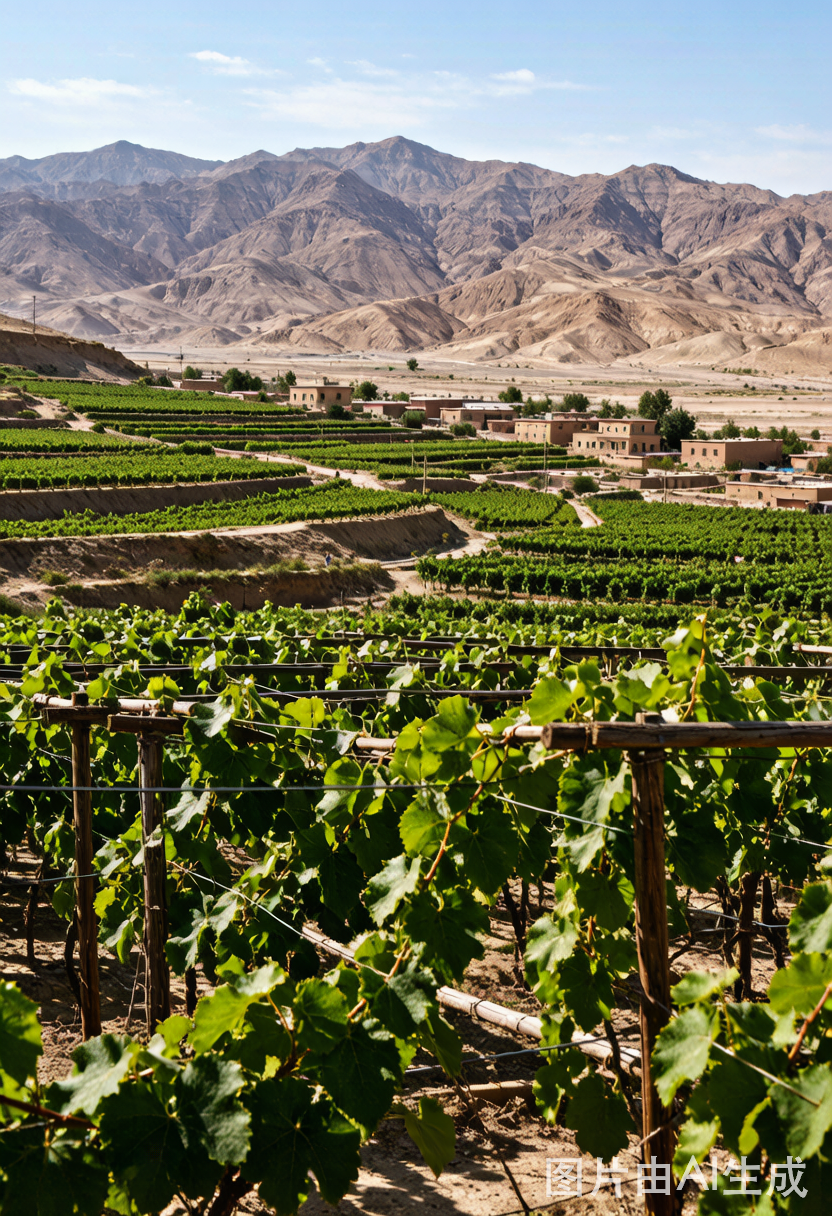
A cool oasis in the Flaming Mountain growing over 100 grape varieties, with streams and intertwining vines.
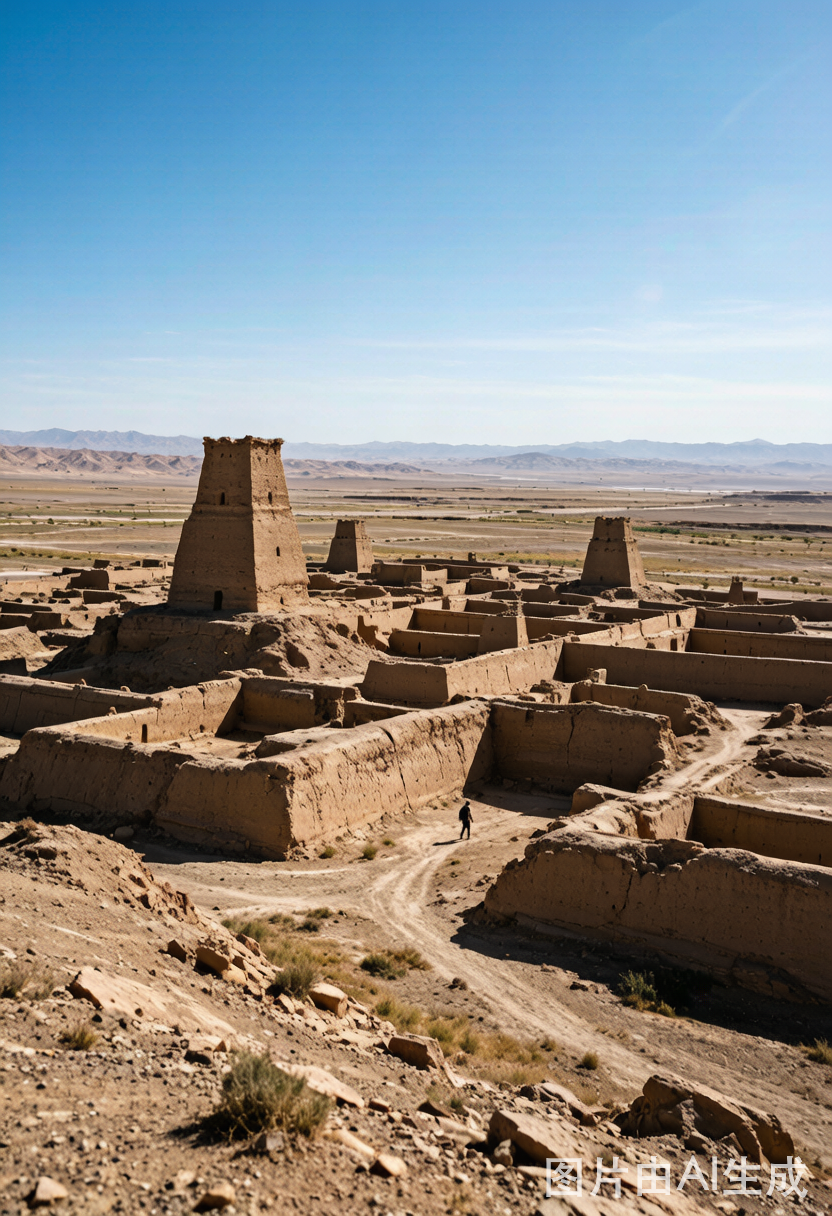
The world's largest, oldest, and best-preserved earthen architecture city ruin, former capital of Cheshi Kingdom.
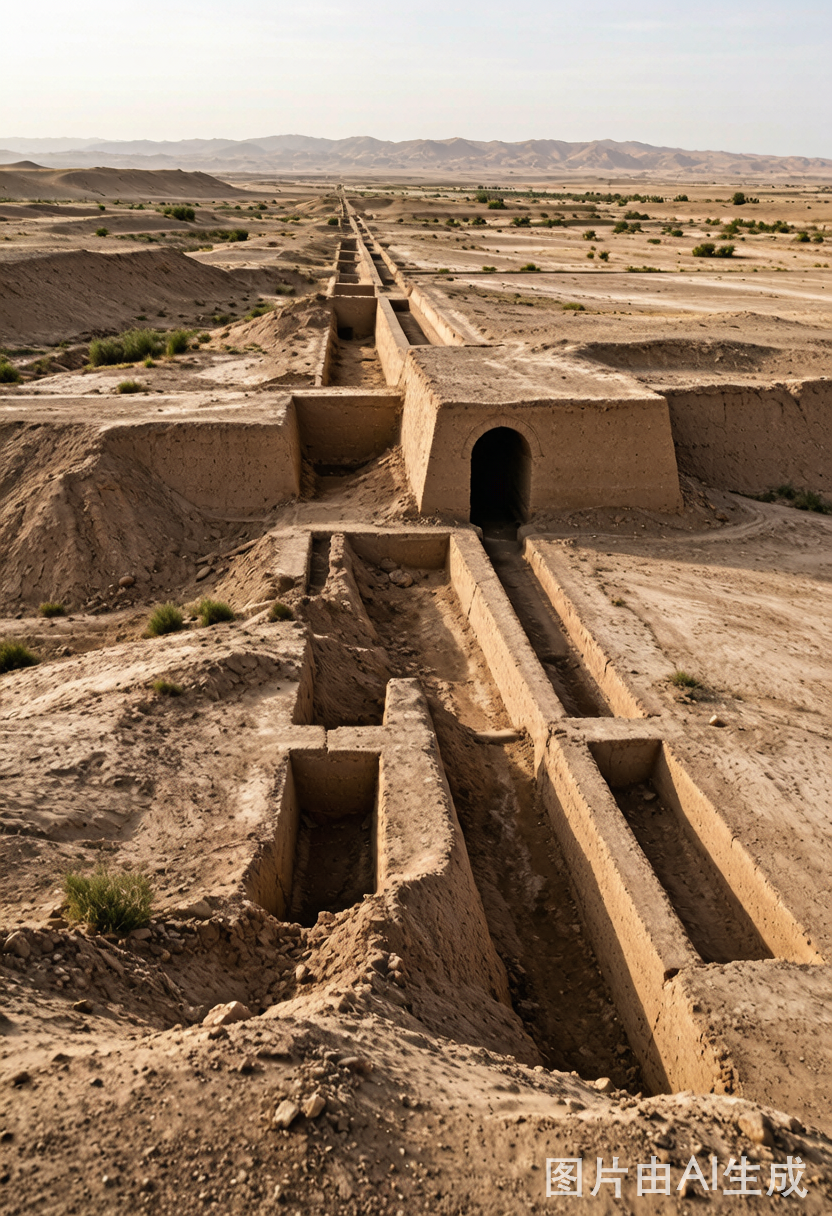
Showcasing the karez, one of China's three great ancient projects alongside the Great Wall and Grand Canal.
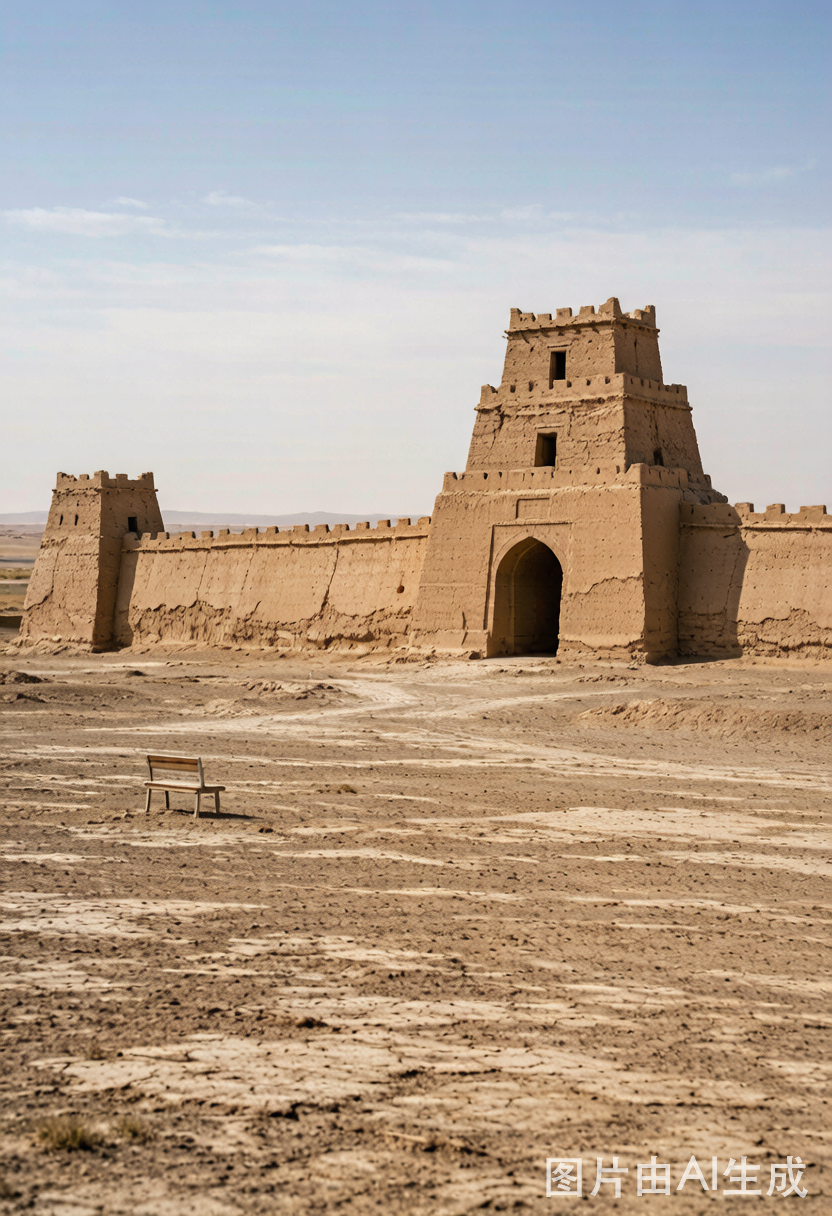
Ruins of a key Western Regions city from the Han to Yuan dynasties, where Xuanzang once lectured for a month.
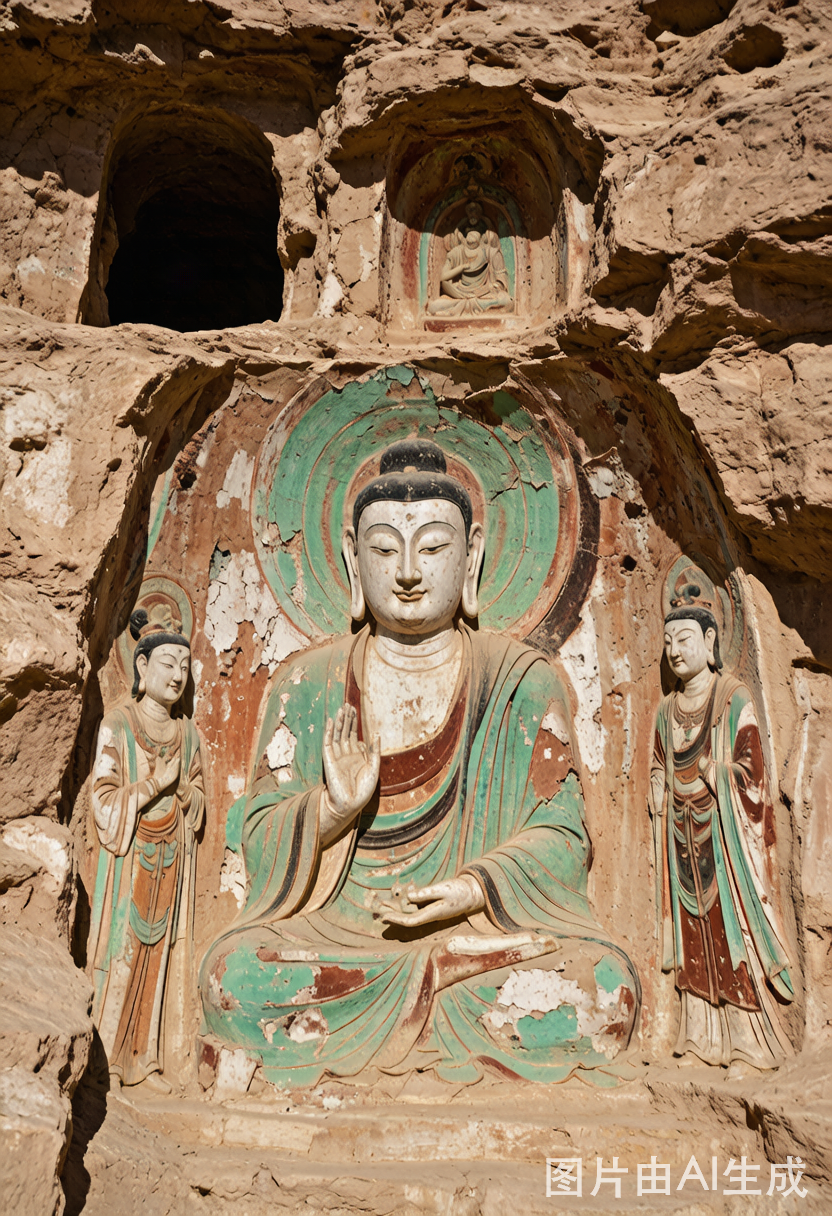
Buddhist grottoes in the Flaming Mountain canyon carved from the Southern-Northern to Yuan dynasties, with 83 caves.
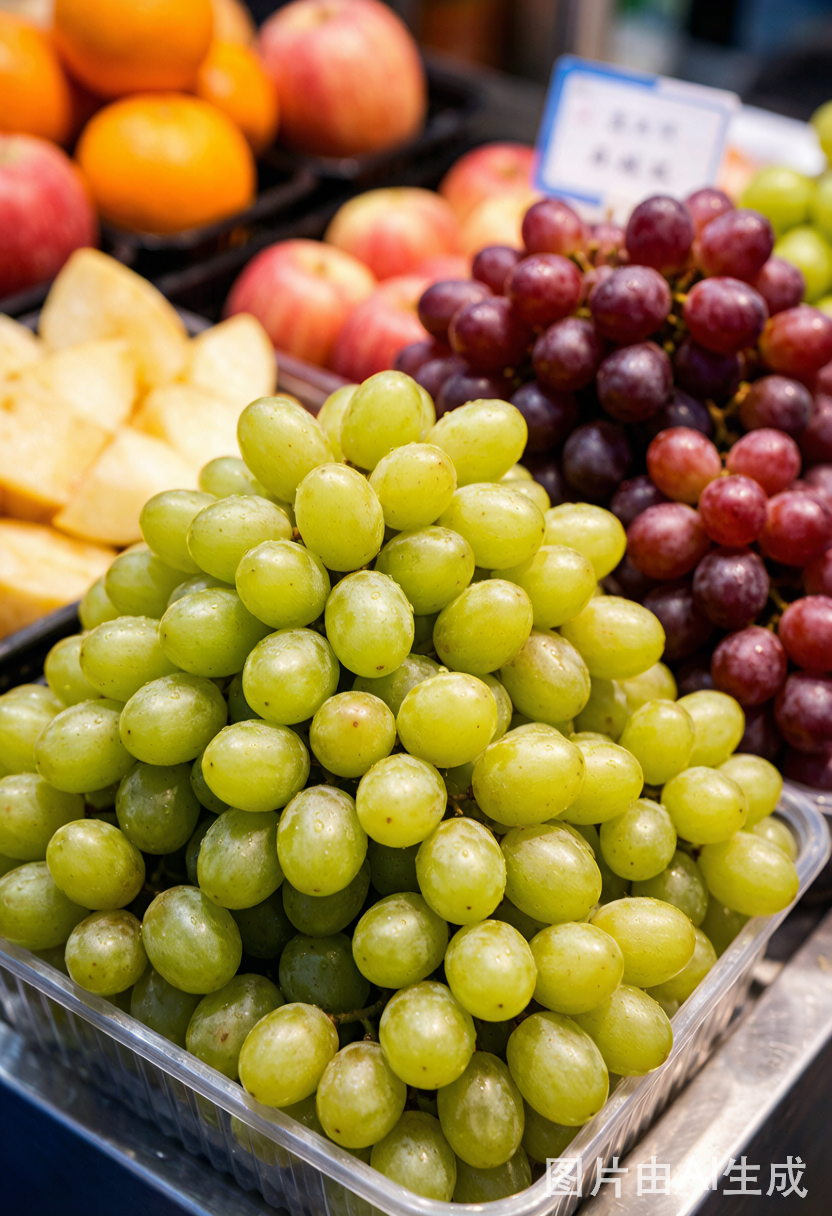
Famous for seedless white grapes with sugar content up to 22-24% — thin-skinned, crisp, and honey-sweet.
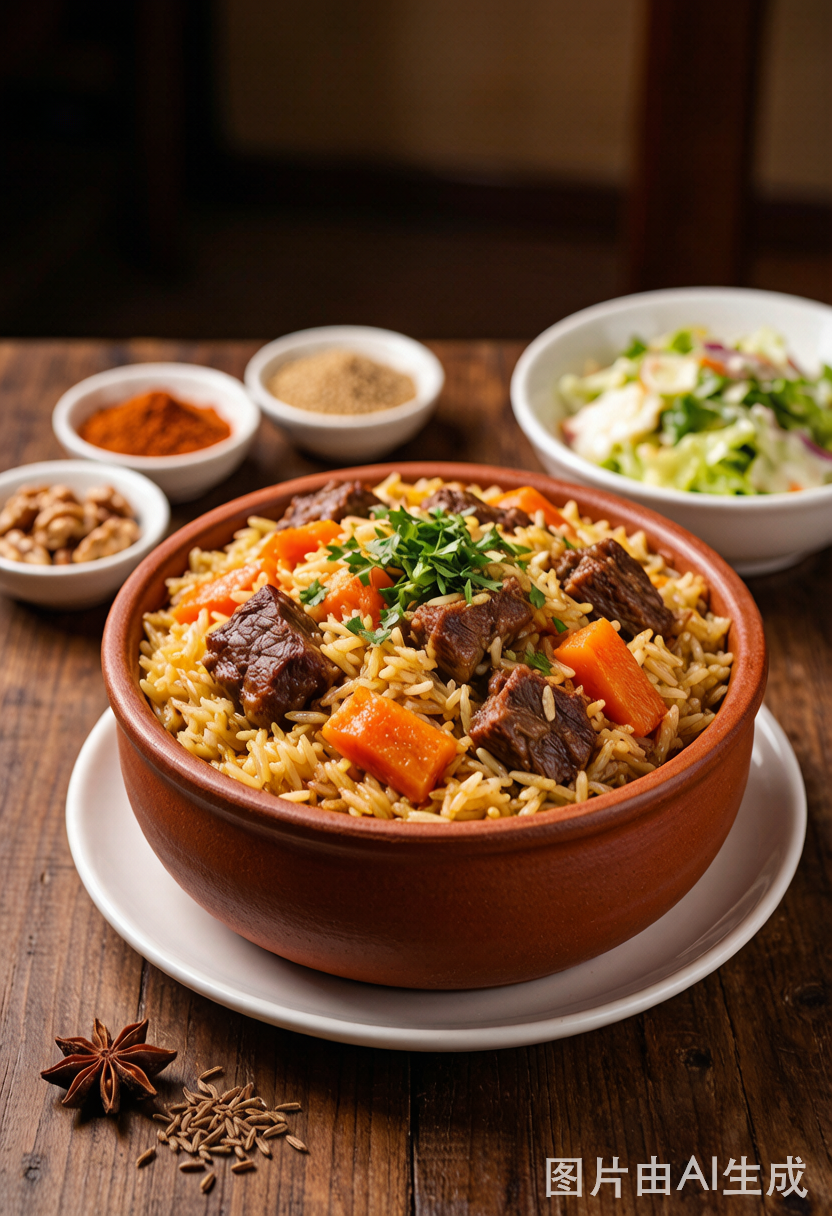
A traditional Uyghur dish of braised lamb, carrots, onions, and rice — glossy, fragrant, and nutritious.
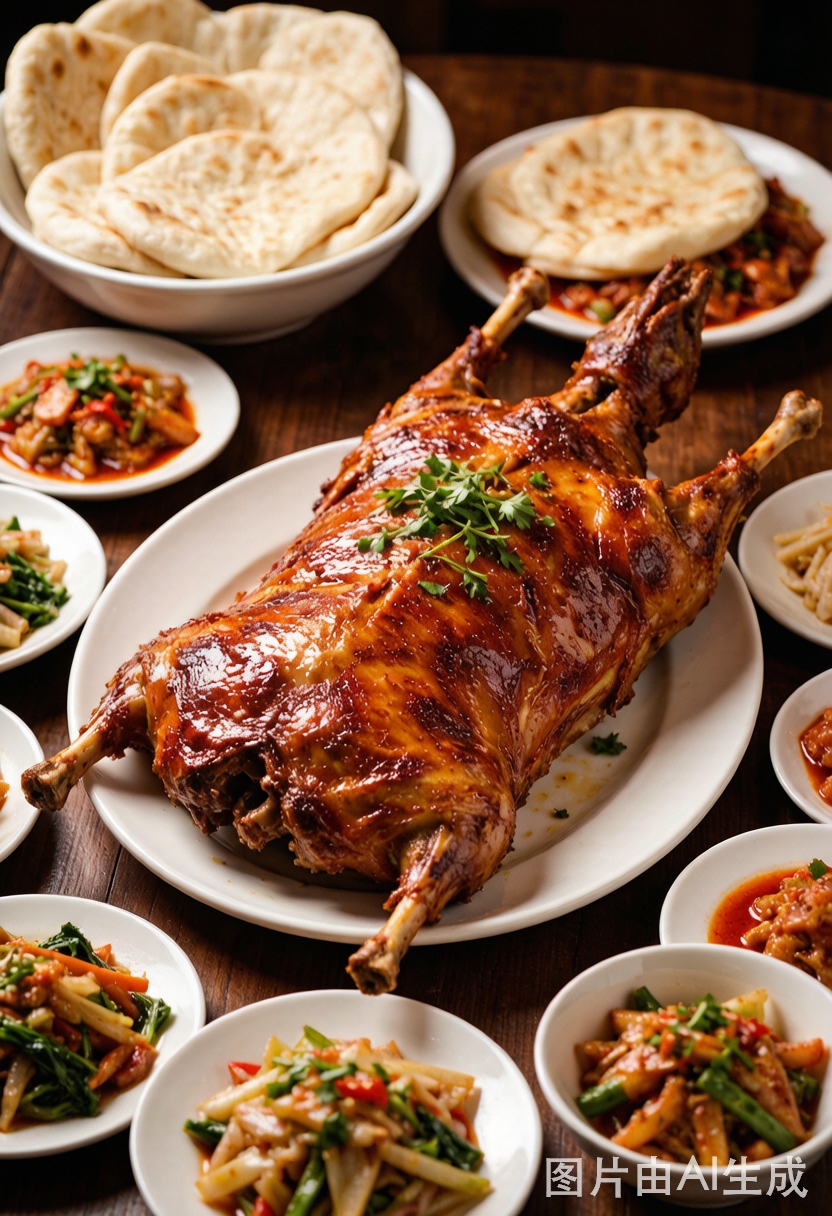
Xinjiang's most iconic banquet dish — local sheep roasted over fruitwood charcoal with golden crispy skin and juicy meat.

A daily Uyghur staple — round baked flatbread in many varieties that keeps for weeks, the traditional travel food of the Silk Road.
Summer temperatures are extreme; bring sunscreen, plenty of water, avoid midday outdoor activities, wear light breathable clothing.
Turpan is multi-ethnic; remove shoes and dress modestly at mosques; ask permission before photographing locals.
Xinjiang uses Beijing Time but daily schedules run about 2 hours later than inland; summer sunset is around 22:00.