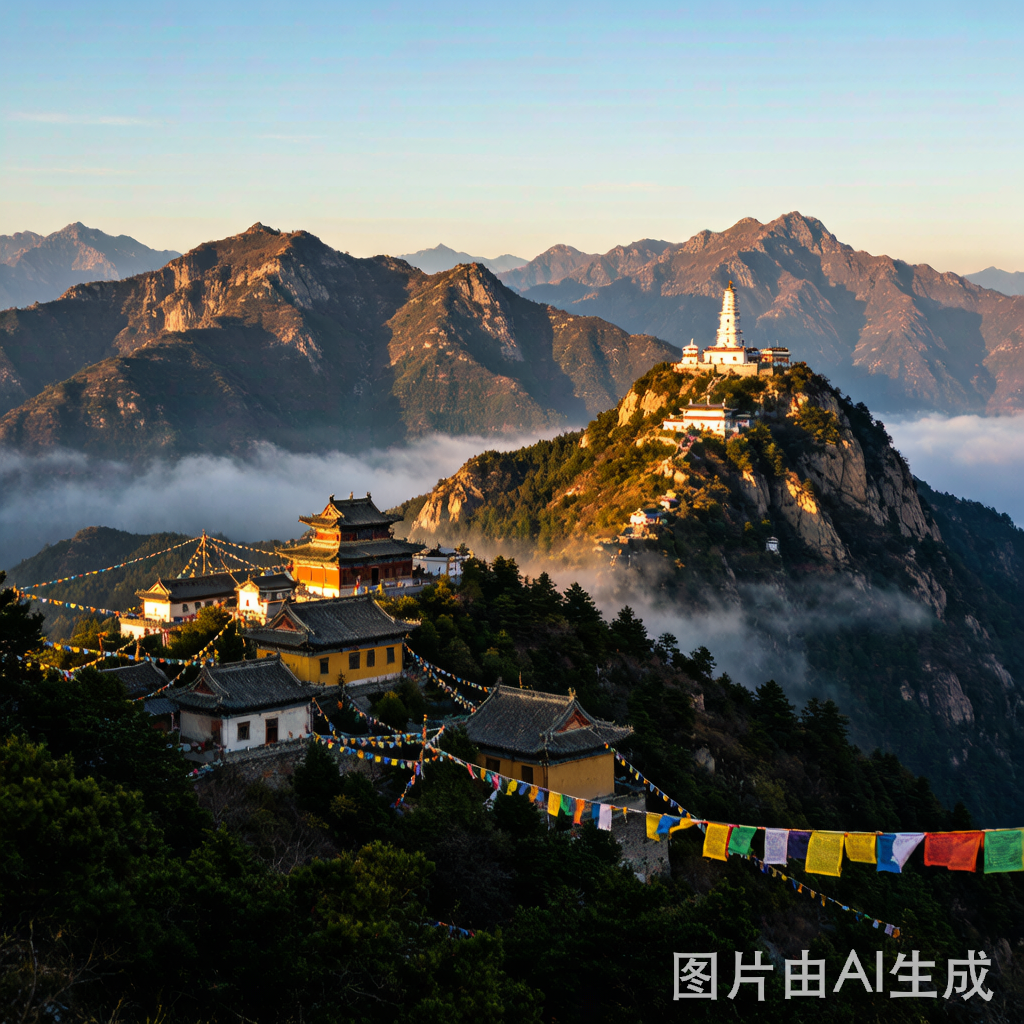
Mount Wutai
China's foremost Buddhist mountain, Manjushri's domain, with 47 temples from Tang-Song era onwards, Xiantong Temple and White Pagoda as landmarks
Xinzhou in northern Shanxi is home to Mount Wutai, a UNESCO World Heritage Site and China's foremost Buddhist mountain, the domain of Manjushri Bodhisattva. Yanmen Pass is a strategic Great Wall fortification. With Luya Mountain Nature Reserve and hot springs, Xinzhou blends pilgrimage, history and natural beauty.
China's foremost Buddhist mountain, Manjushri's domain, with 47 temples from Tang-Song era onwards, Xiantong Temple and White Pagoda as landmarks
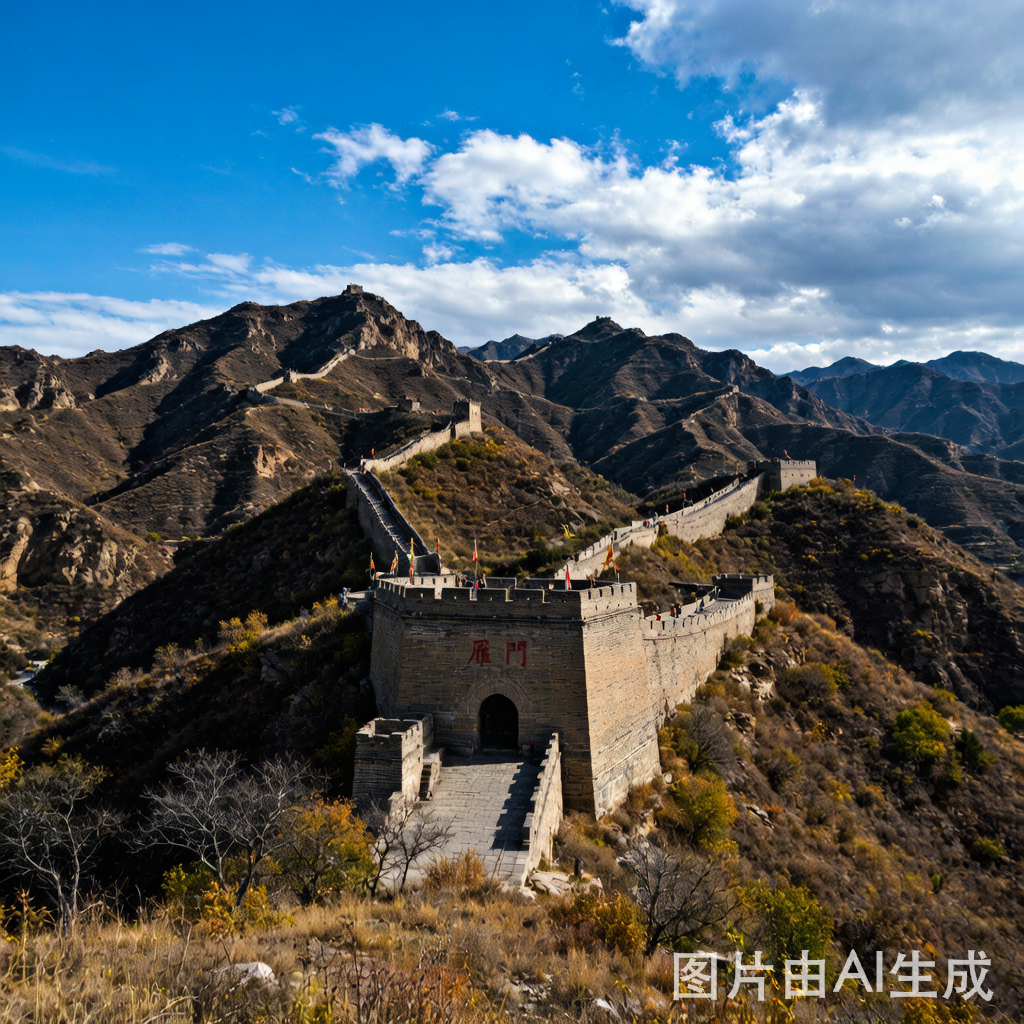
Key Great Wall pass, 'first of the nine passes,' where Li Guang and the Yang Family warriors defended against invaders
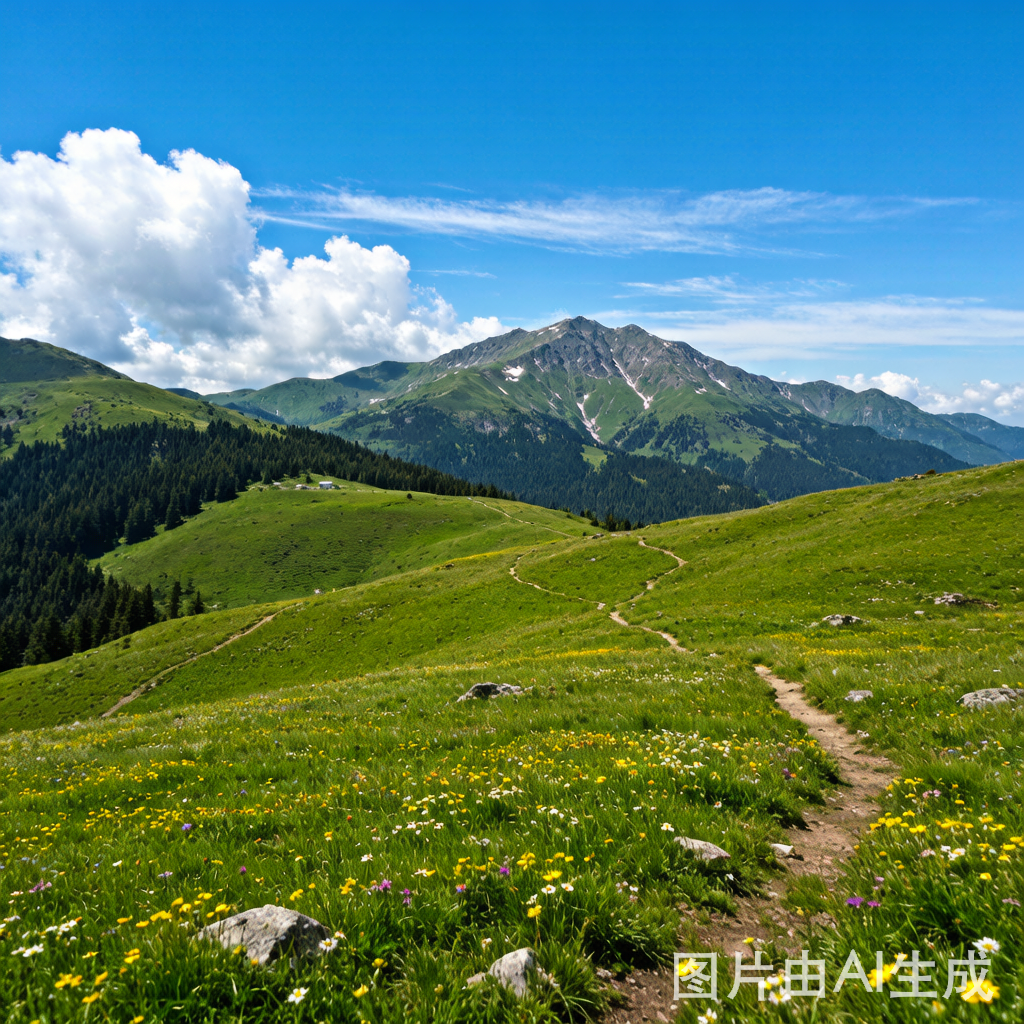
Nature reserve combining primeval larch forest, 10,000-year ice cave (never melts in summer) and alpine meadows
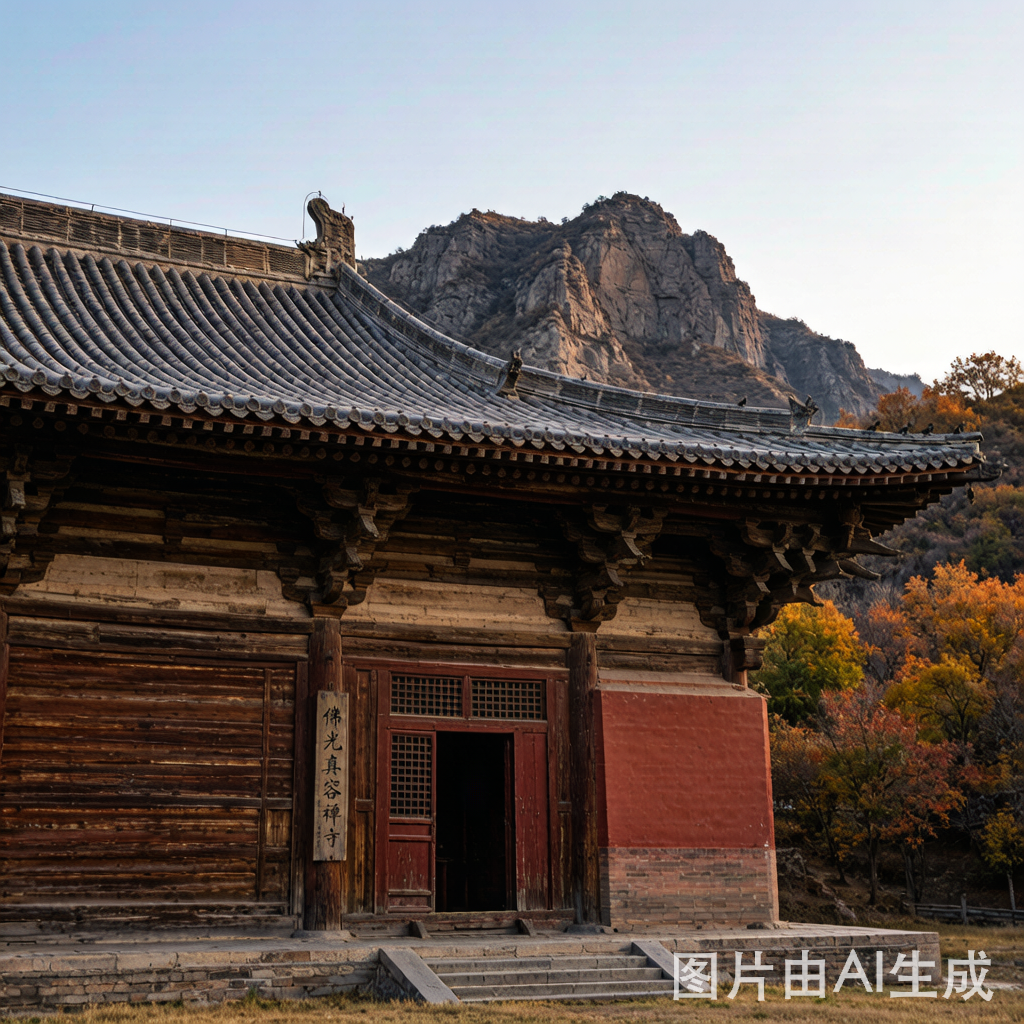
Tang Dynasty wooden structure discovered by Liang Sicheng, East Hall built in 857, China's largest surviving Tang wooden building, called 'China's No.1 National Treasure'
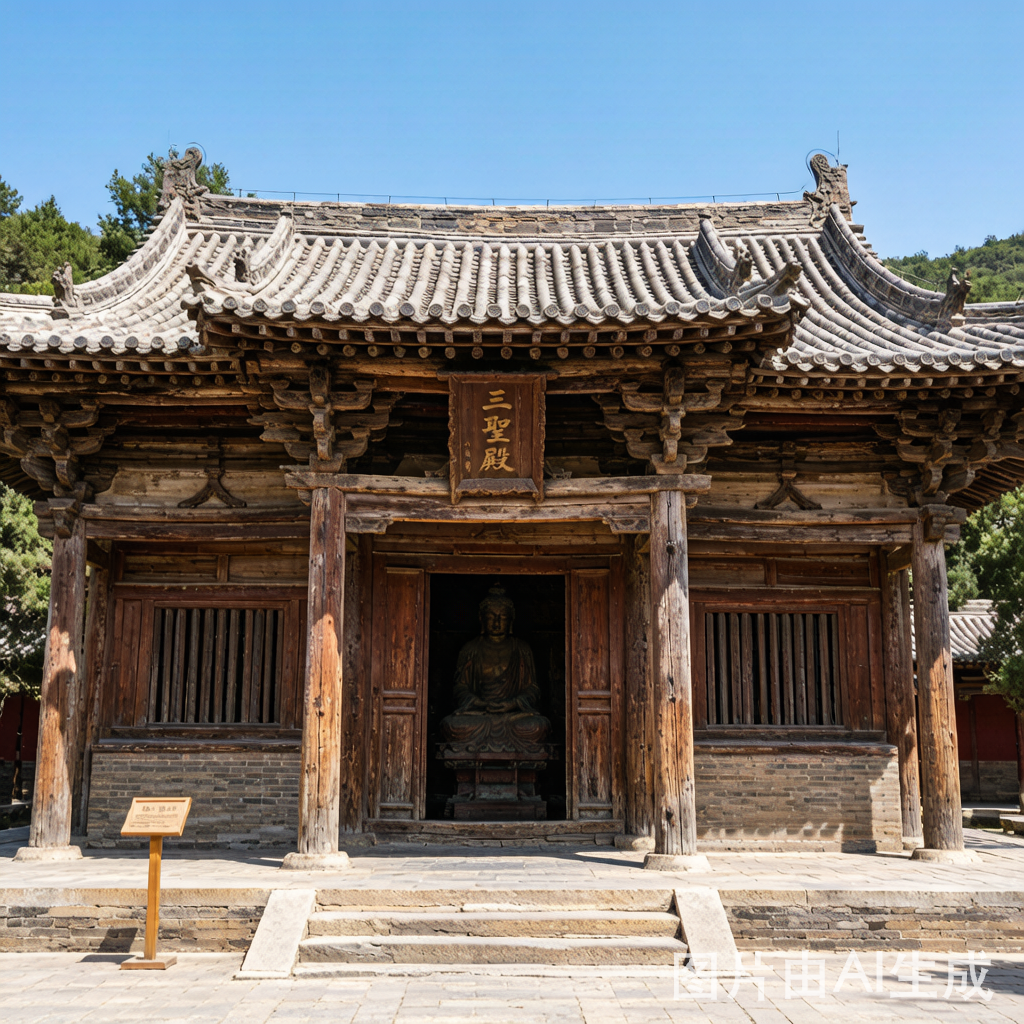
Built in 782, China's oldest surviving wooden structure, 75 years earlier than Foguang Temple

Traditional Xinzhou pastry shaped like a roof tile, crispy and sweet, made with flour, sesame and honey, over a century of history
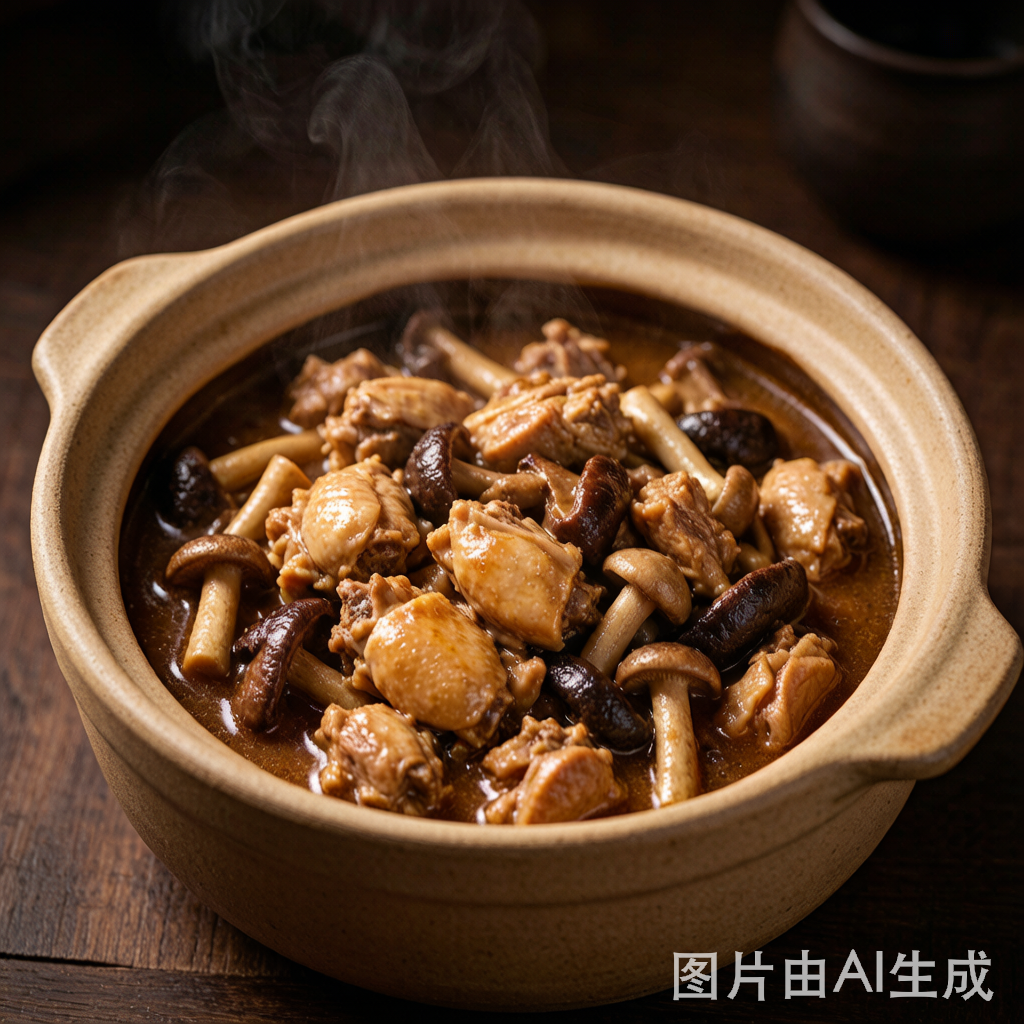
Wutai wild mushrooms stewed with local chicken, rich and savory, the most celebrated local dish at Mount Wutai
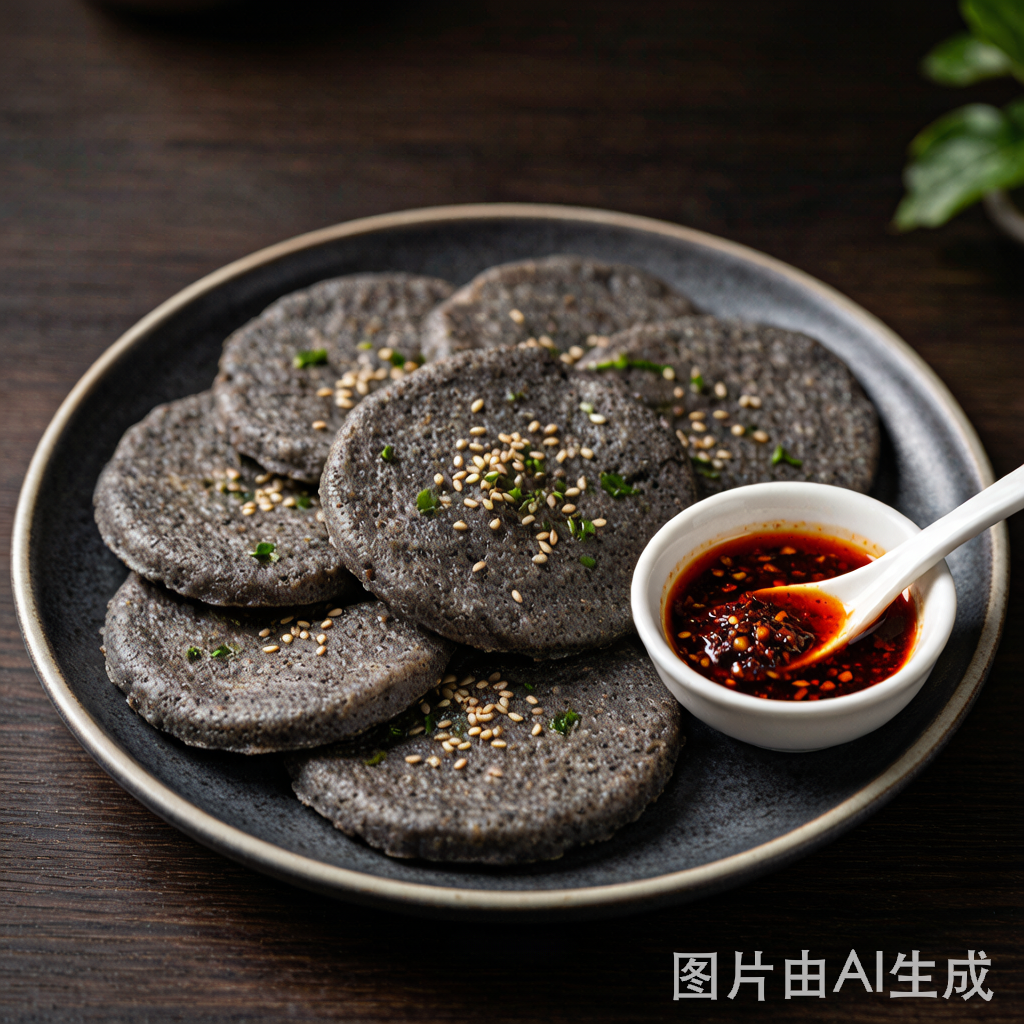
Traditional Shanxi buckwheat noodles pressed through a helao device, served with meat sauce, chewy and smooth
Even in midsummer, terrace peaks can drop below 5°C. Always bring warm clothing
Keep quiet in temples, no photos (especially of Buddha statues), circumambulate clockwise, dress modestly
June-August peak season and Buddhist holidays, Taihuai Town accommodations fill up. Book early